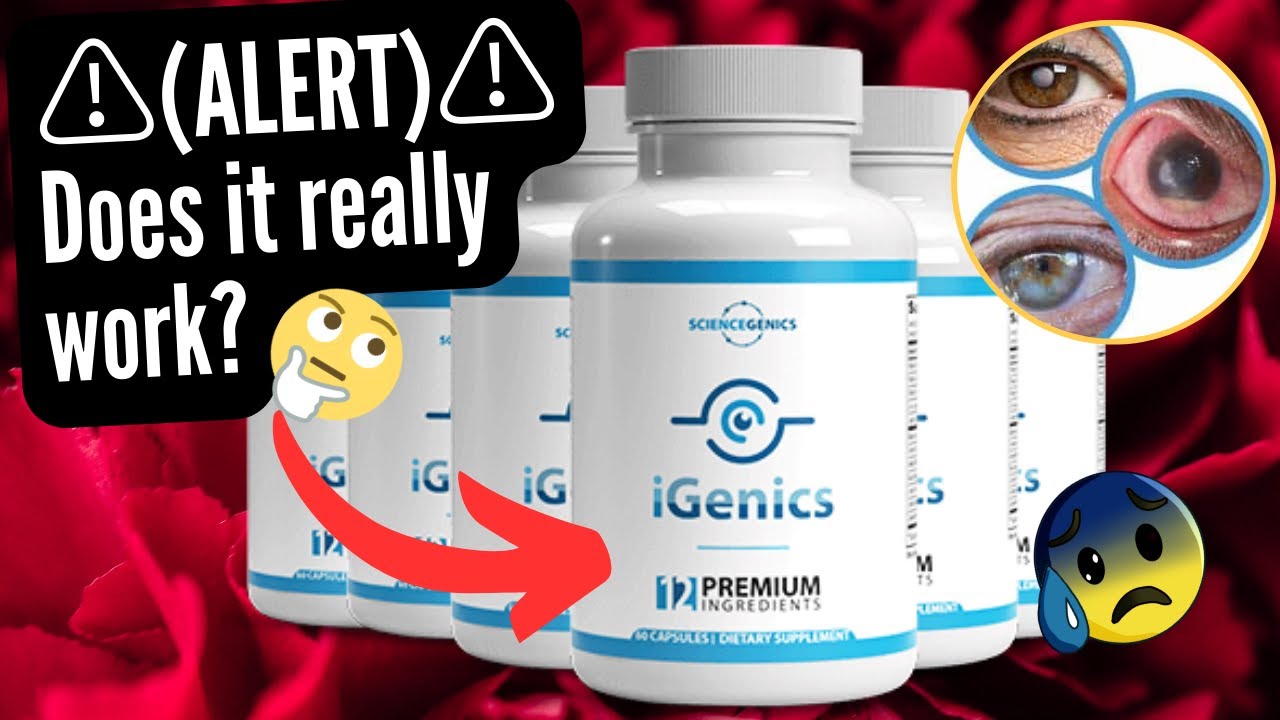

Macular health supplements have gained significant attention in recent years, particularly as the aging population becomes increasingly susceptible to age-related macular degeneration (AMD) and other vision-related issues. The macula, a small area located at the center of the retina, is crucial for high-resolution vision, and its health is vital for maintaining overall eye function. This report delves into the various supplements available for promoting macular health, their active ingredients, efficacy, igenics reviews and complaints potential benefits.
The most common macular health supplements contain a blend of antioxidants, vitamins, and minerals that are thought to support retinal health. Key ingredients typically include lutein, zeaxanthin, vitamin C, vitamin E, zinc, and omega-3 fatty acids. Lutein and zeaxanthin, two carotenoids found in green leafy vegetables, are particularly significant as they are believed to filter harmful blue light and protect the retina from oxidative stress.
Numerous studies have highlighted the importance of these nutrients in reducing the risk of AMD. The Age-Related Eye Disease Study (AREDS) conducted by the National Eye Institute established that a specific formulation containing lutein, zeaxanthin, vitamin C, vitamin E, and zinc significantly reduced the risk of progression to advanced AMD by 25% in high-risk individuals. This landmark study has led to the widespread adoption of these supplements among those looking to preserve their vision.
In addition to the AREDS formulation, recent research has suggested that omega-3 fatty acids, particularly DHA (docosahexaenoic acid), play a role in maintaining retinal health. Omega-3s are known for their anti-inflammatory properties, which may help reduce the risk of AMD and dry eye syndrome. Fish oil supplements, rich in omega-3s, are commonly recommended for individuals seeking to improve their macular health.
While the benefits of macular health supplements are well-documented, it is essential to approach supplementation with caution. Not all supplements are created equal; the quality and bioavailability of the ingredients can vary significantly among brands. Consumers should look for products that have been tested for purity and potency by third-party organizations. Additionally, consulting with a healthcare professional before starting any supplementation regimen is advisable, especially for individuals with existing health conditions or those taking other medications.
It is also important to note that macular health supplements should not be viewed as a replacement for a healthy lifestyle. A balanced diet rich in fruits, vegetables, and healthy fats, combined with regular eye examinations and a protective approach to sun exposure, is crucial for maintaining optimal eye health. Smoking cessation and managing chronic health conditions, such as diabetes and hypertension, are also vital components of preserving macular health.
In conclusion, macular health supplements can play a beneficial role in supporting eye health, particularly for individuals at risk of AMD. The combination of antioxidants, vitamins, and omega-3 fatty acids found in these supplements has been shown to provide protective effects against retinal degeneration. However, it is essential to choose high-quality products and adopt a holistic approach to eye care that includes a nutritious diet and healthy lifestyle choices. Continued research will further illuminate the role of these supplements in preventing vision loss and promoting long-term macular health.